From Boarding to Arrival: How 22Bet Used Railway Advertising to Own the Passenger Journey
Out-of-Home advertising in Nigeria is evolving. Brands are no longer satisfied with a single billboard placement or one isolated touchpoint. Today’s marketers are looking for campaigns that create continuity — experiences that follow audiences naturally throughout their daily movements.
This is where railway advertising is beginning to stand apart.
Unlike traditional roadside OOH, railway environments allow brands to engage commuters across multiple stages of their journey: from station entry and waiting lounges to onboard experiences and arrival halls. When executed strategically, these touchpoints work together to create something more powerful than visibility alone — they create immersion.
One campaign that demonstrates this exceptionally well is 22Bet’s recent railway advertising execution across Nigeria’s intercity rail network. By combining station branding, in-train digital media, personalised messaging, and measurable engagement tools, the campaign showcased what the future of integrated transit advertising can look like in Nigeria.
The Rise of Journey-Based Advertising
Modern consumers rarely engage with brands in a single moment. Marketing today is about repeated exposure across connected environments — seeing a message multiple times in ways that feel natural rather than disruptive.
Railway advertising is uniquely positioned for this because train travel itself is sequential. Passengers move through a predictable journey:
Station entry
Waiting lounges
Boarding areas
In-coach travel
Arrival halls and exits
Each stage creates a new opportunity for engagement. Instead of relying on one static interaction, brands can build layered storytelling throughout the passenger experience.
For advertisers, this transforms railway stations and trains from simple media locations into a connected communication ecosystem.
How 22Bet Built a Multi-Touchpoint Railway Campaign
22Bet approached railway advertising with a clear understanding of passenger behaviour. Rather than treating the campaign as a standalone billboard execution, they designed it around the commuter journey itself.
Capturing Attention at the Start of the Journey
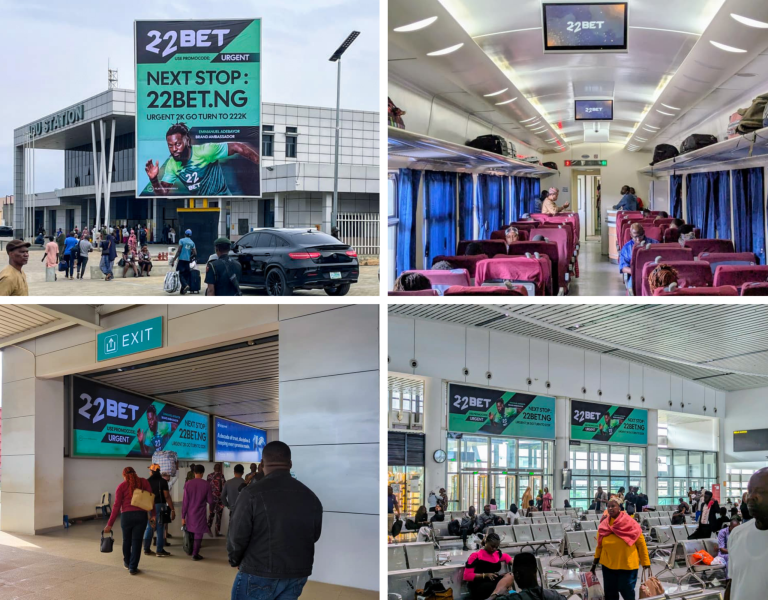
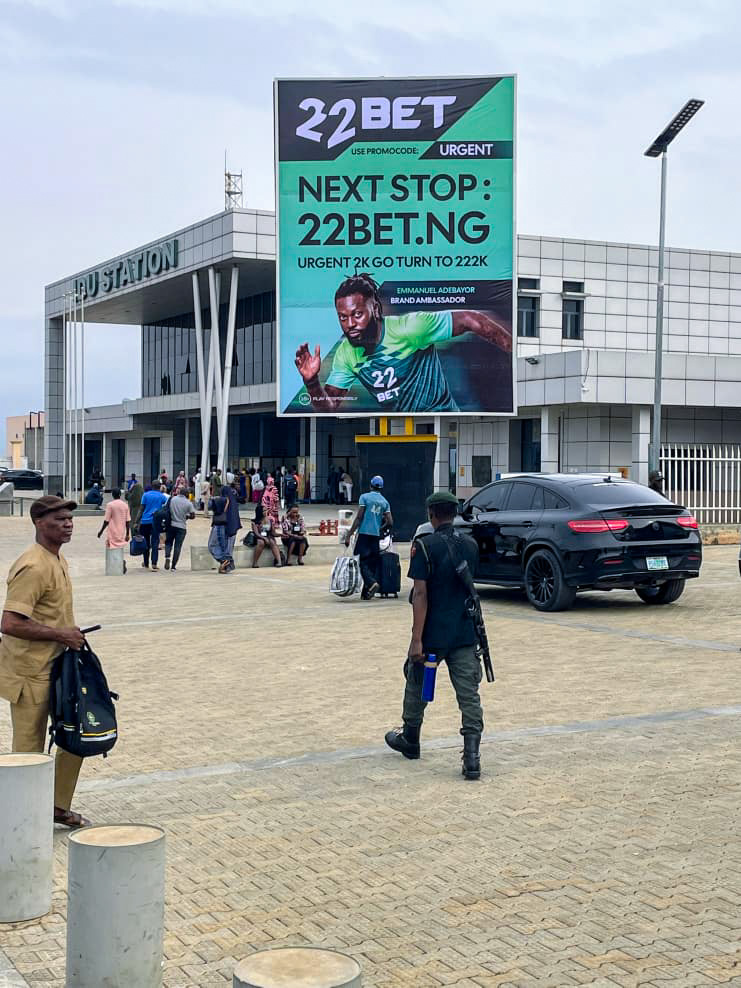
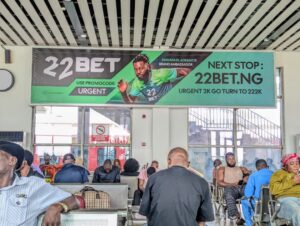
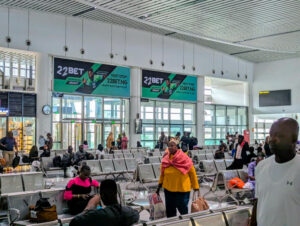
The campaign began where passenger attention is naturally highest — station entrances and waiting lounges.
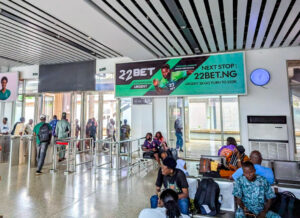
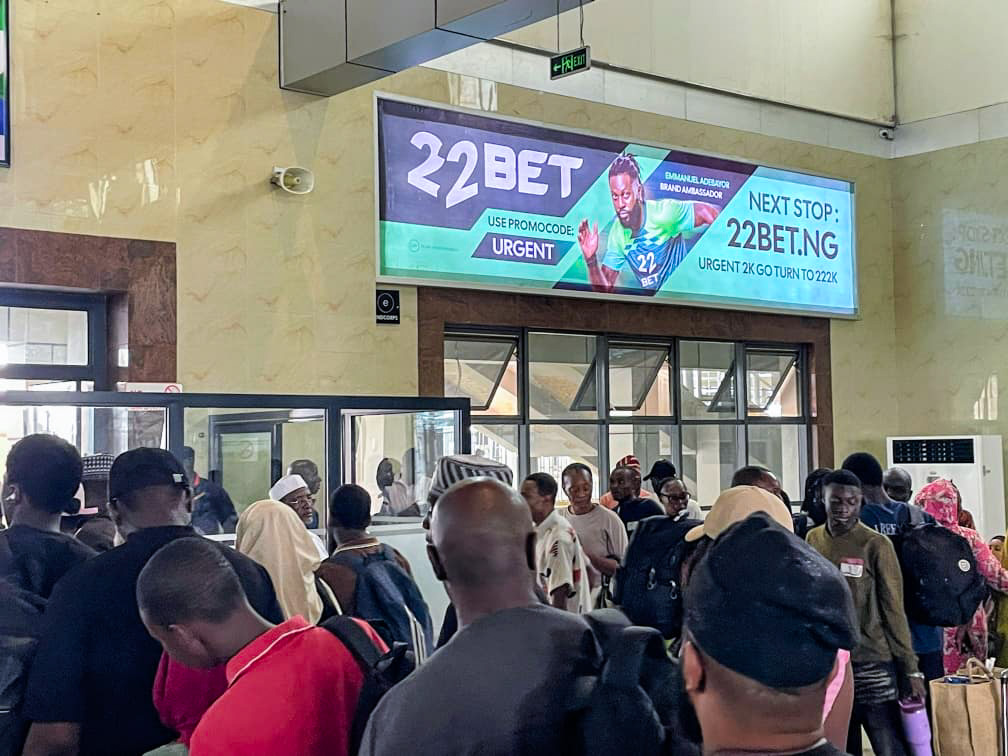
As travellers entered the stations or waited to board, 22Bet’s static placements immediately established visibility. These early-stage touchpoints served two purposes:
Building immediate awareness
Setting the tone for the rest of the journey
Railway waiting areas are particularly valuable because of their extended dwell times. Unlike roadside advertising, where exposure lasts only seconds, passengers in lounges often spend several minutes observing their surroundings. This creates stronger opportunities for message retention and brand recall.
By positioning creatives at these high-traffic entry points, 22Bet ensured passengers encountered the brand before even stepping onto the train.
Keeping Passengers Engaged During Travel
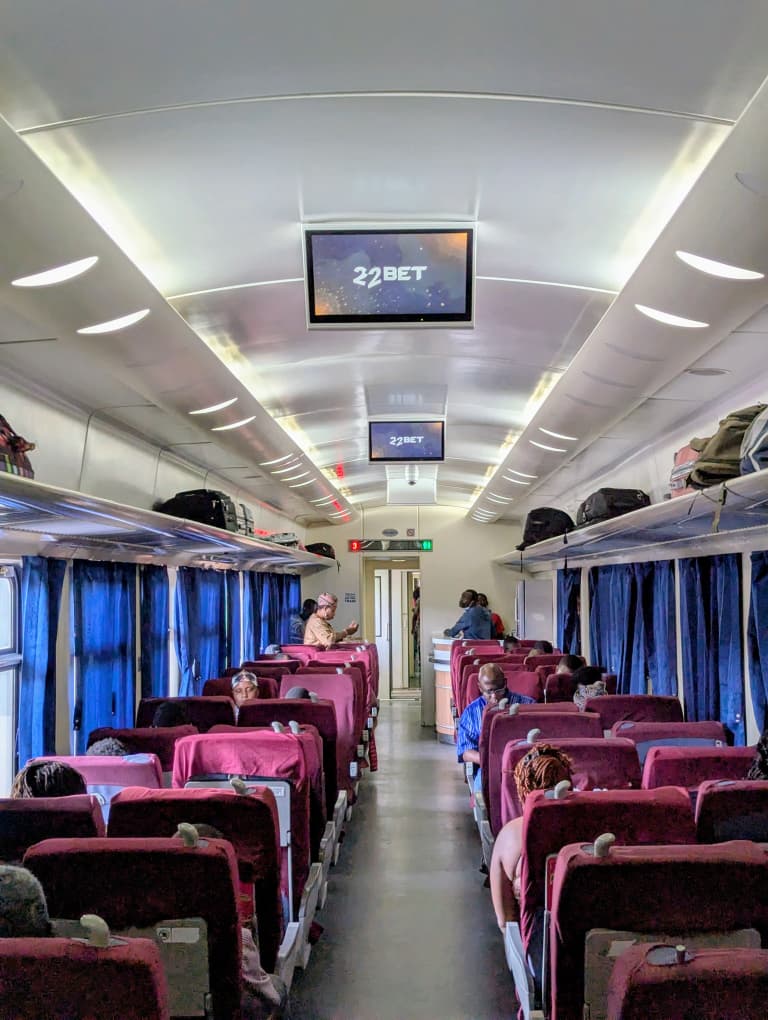
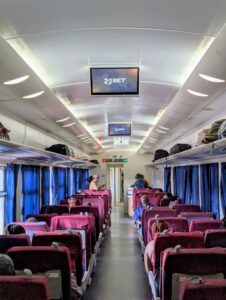
What made the campaign especially notable was its use of in-train LCD advertising screens.
Inside the train coaches, passengers were served video content tailored specifically to the railway environment. Rather than recycling generic digital ads, the messaging mirrored the onboard travel experience and connected naturally with commuters during their journey.
This personalisation mattered.
One of the biggest challenges in advertising is relevance. Consumers are far more likely to engage with campaigns that reflect their immediate environment and mindset. By adapting its messaging to rail passengers specifically, 22Bet made the content feel contextual instead of intrusive.
The in-coach screens also introduced a level of engagement that traditional OOH rarely achieves. During longer intercity journeys, passengers have significantly more uninterrupted viewing time than audiences in most outdoor environments. This allows brands to communicate more detailed stories, emotional narratives, and calls-to-action.
In effect, the train coaches became moving digital engagement spaces.
Extending Visibility to the End of the Journey
The campaign didn’t stop once passengers arrived.
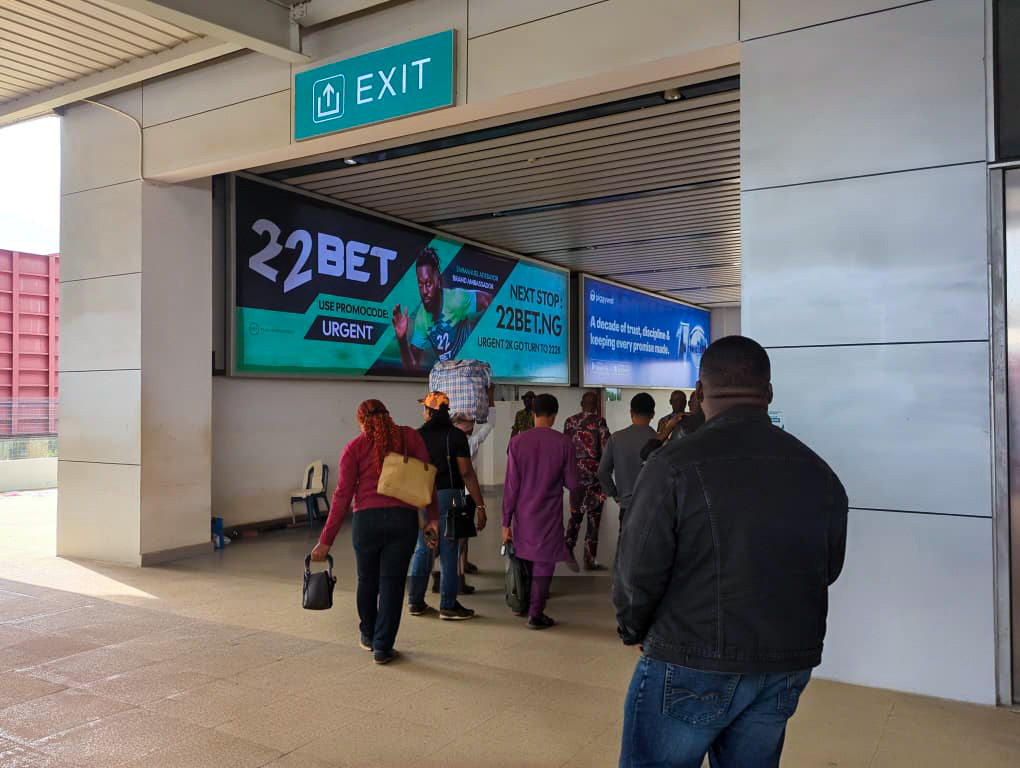
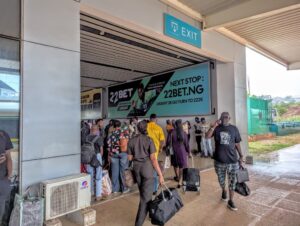
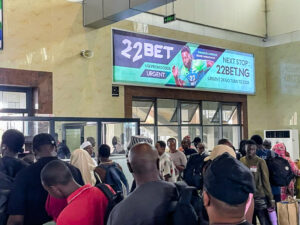
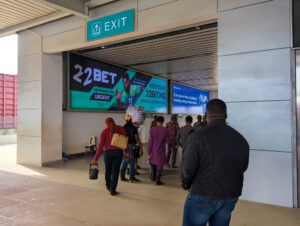
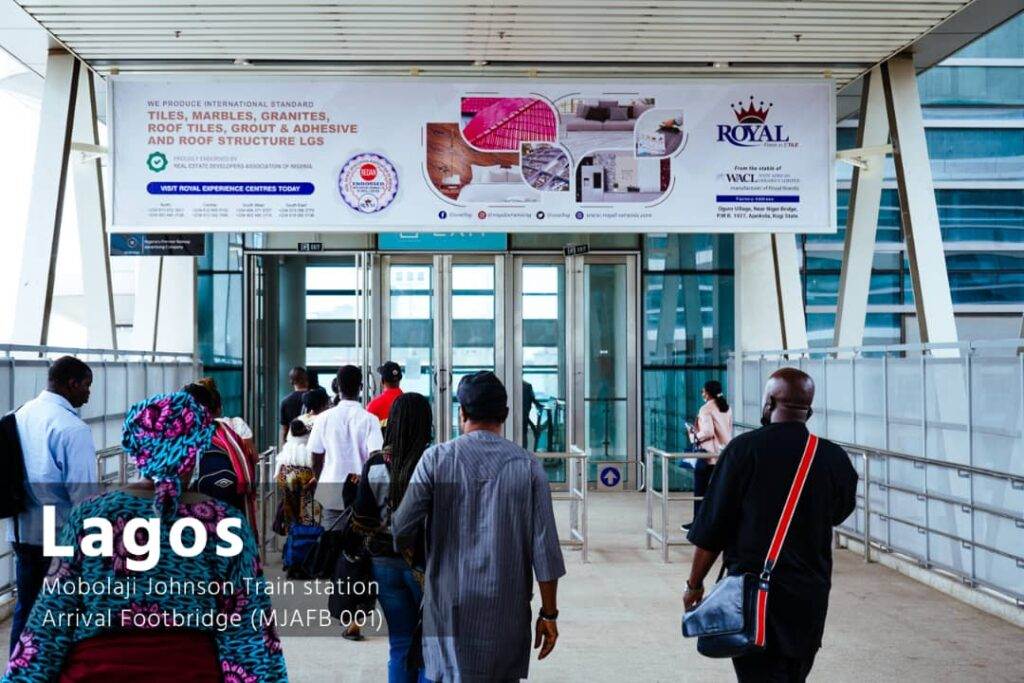
22Bet continued the experience with placements at arrival halls and station exits, ensuring the brand remained visible at the final stage of travel.
This is a powerful but often overlooked strategy in OOH advertising. Many campaigns focus only on capturing initial attention, but journey completion matters just as much. Exit-point placements reinforce recall and increase the likelihood that audiences remember the brand after leaving the station.
By maintaining continuity from departure to arrival, 22Bet created a campaign experience that felt complete rather than fragmented.
Making OOH Measurable: QR Codes and Promo Tracking
One of the strongest elements of the campaign was its integration of measurable engagement tools.
Traditionally, OOH advertising has often been viewed as difficult to track compared to digital media. But modern railway campaigns are changing that perception.
22Bet incorporated:
QR codes within video creatives on the in-train LCD screens
Promo codes on static station billboards
These tools allowed audiences to engage directly with the campaign while giving the brand measurable indicators of performance.
This matters because today’s marketers increasingly expect accountability from media investments. Campaigns are no longer evaluated solely on visibility; they are measured by interaction, response, and conversion potential.
By bridging offline exposure with digital engagement, 22Bet demonstrated how railway advertising can support both awareness and measurable action simultaneously.
Achieving National Reach Through Rail
Another defining strength of the campaign was scale.
22Bet activated across multiple railway locations, including:
Lagos
Abuja
Abeokuta
Ibadan
Kaduna
This gave the campaign national visibility while maintaining consistency in messaging and execution.
Few OOH channels in Nigeria currently offer this kind of synchronised intercity presence. Railway advertising provides brands with the ability to connect multiple cities, audiences, and travel corridors within one integrated campaign framework.
And because intercity rail passengers are highly diverse — ranging from professionals and business travellers to students and families — the audience mix delivers broad demographic reach.
Combined with the fact that a significant percentage of passengers are unique daily impressions, railway advertising offers brands continuous exposure to fresh audiences at scale.
Key Lessons for Marketers
The 22Bet campaign highlights several important lessons for brands exploring modern OOH strategies:
1. Advertising Works Better as a Journey
Connected touchpoints outperform isolated placements because they reinforce recall throughout the consumer experience.
2. Context Improves Engagement
Messaging tailored to passenger environments feels more relevant and natural to audiences.
3. OOH Can Be Measurable
QR codes, promo codes, and digital integrations are helping brands track commuter engagement more effectively than ever before.
4. Railway Media Delivers Scale + Attention
Intercity rail combines national reach with high dwell-time environments, creating a rare balance between visibility and engagement.
As Nigeria’s transportation infrastructure continues to grow, railway environments are becoming increasingly valuable to advertisers. What was once viewed simply as transit infrastructure is rapidly evolving into a dynamic media ecosystem capable of delivering awareness, engagement, and measurable interaction.
At Endcorps, this evolution is central to how we think about the future of OOH. Railway advertising is no longer just about station billboards — it’s about creating connected passenger experiences across physical and digital touchpoints.
The 22Bet campaign is a strong example of what becomes possible when brands move beyond traditional placements and begin thinking about the full commuter journey.
Because in modern advertising, visibility alone is no longer enough. The brands that win are the ones that stay with audiences from departure to destination.